
Object is a podcast diving into the histories and meanings behind the art, images, and cultural objects we encounter every day. Hosted by Ferren Gipson, this show explores visual and material culture, offering a lens on how images and objects help shape the way we see and experience the world. Listen on Apple, Spotify or Substack.
What types of futures do we visualise in a time increasingly filled with corporate greed, growing class distinctions, and technology creeping into everyday life? In this episode, I speak to science fiction researcher Graham Murphy, fantasy literature lecturer Anna McFarlane, and Syd Mead estate co-curator Elon Solo about the visual culture of cyberpunk. From Blade Runner’s rain-soaked cityscapes to the digital world of Tron, we trace how a genre born in 1980s fiction came to define the way we picture the future.
The ‘Imagined Futures’ miniseries is brought to you in partnership with The Public Domain Review, an online journal exploring curious and compelling works from the history of art, literature, and ideas. Discover images related to imagined futures, forgotten pasts, and more at publicdomainreview.org.
In this episode:
The 1984 Apple Macintosh Super Bowl commercial, directed by Ridley Scott
What “high tech and low life” means: defining cyberpunk through Gibson, Sterling, and the punk ethos
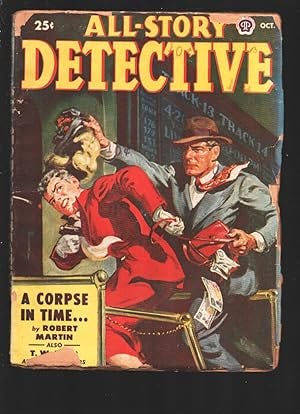
Detective noir, anime, and the multiple visual influences feeding into cyberpunk
Gibson’s short story The Gernsback Continuum and the critique of sanitised 1950s futures
Video Games, Margaret Thatcher, Ronald Reagan, and the political moment that made cyberpunk urgent
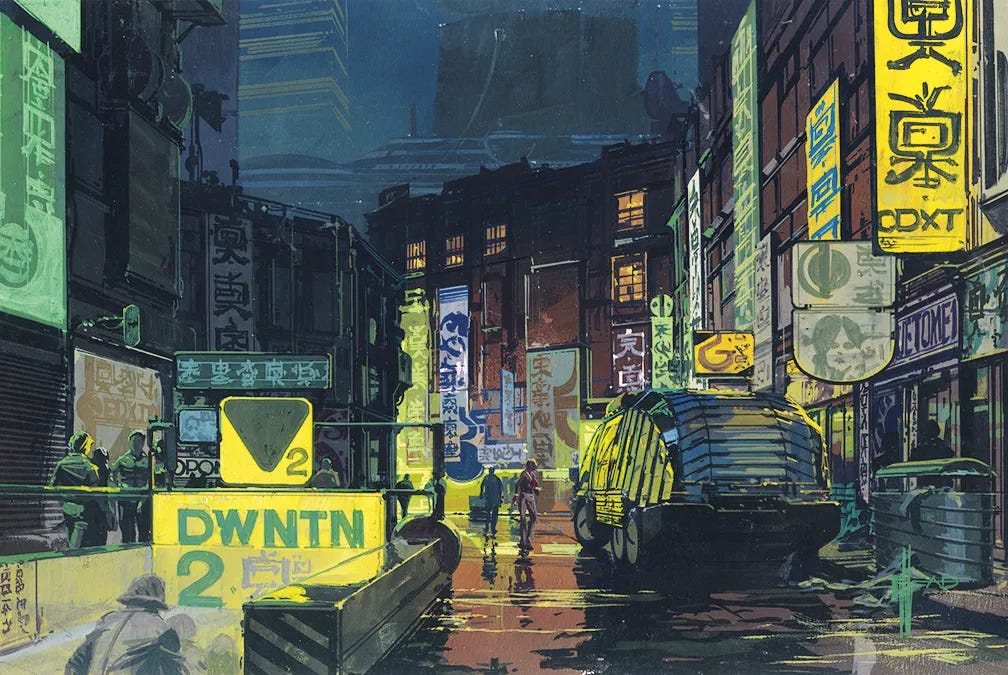
Blade Runner as cyberpunk’s “visual Bible” — neon, rain, and the noir inheritance
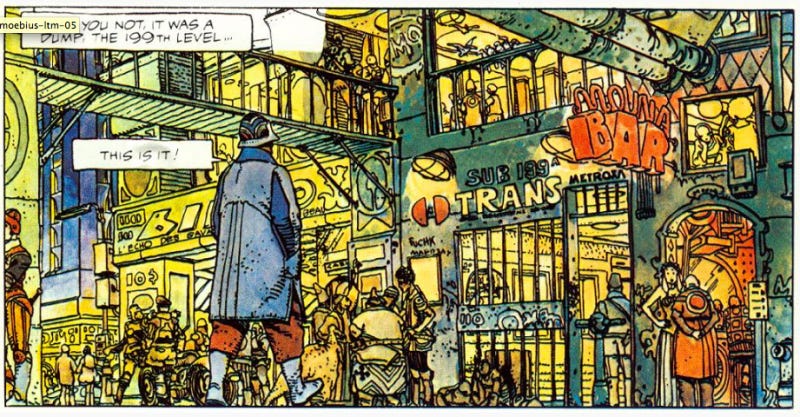
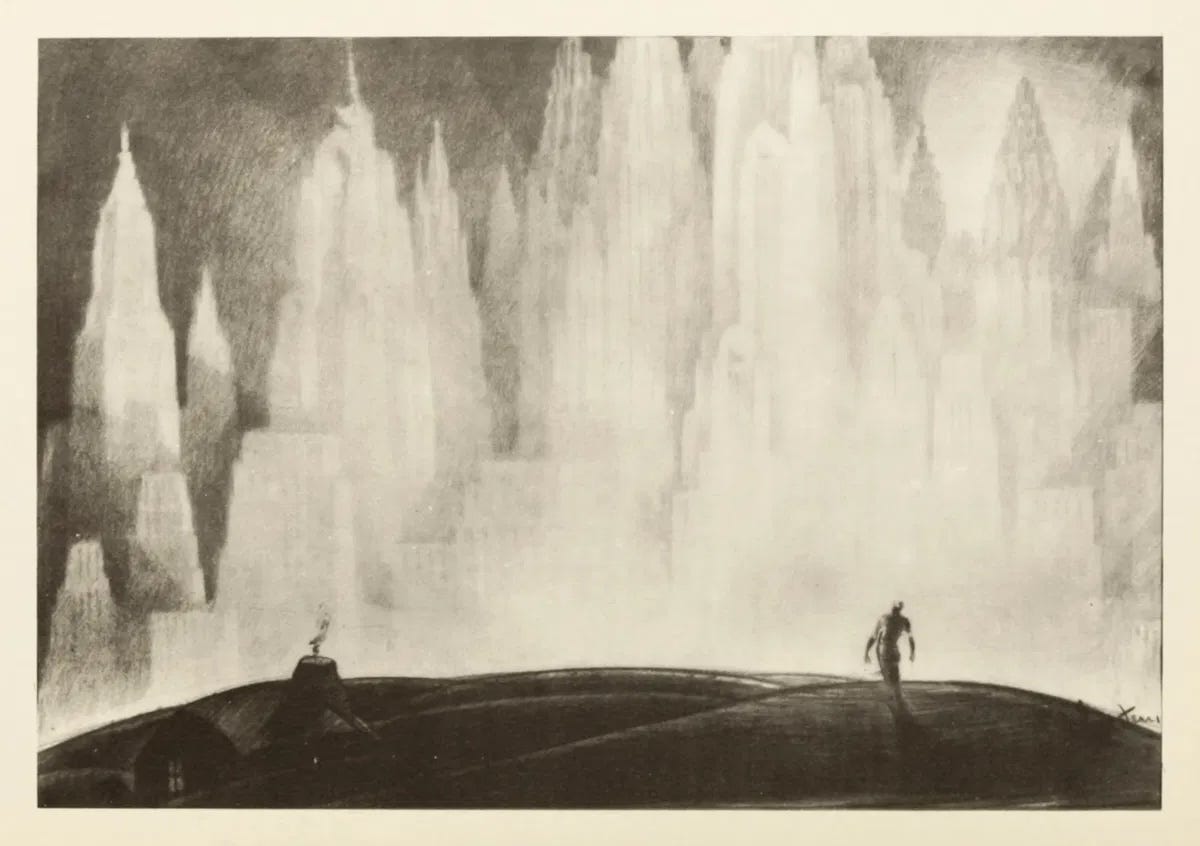
Dan O’Bannon and Mœbius’s The Long Tomorrow, Akira, and Hugh Ferriss’s ziggurat skyscrapers (see the Public Domain Review essay on Ferriss here)
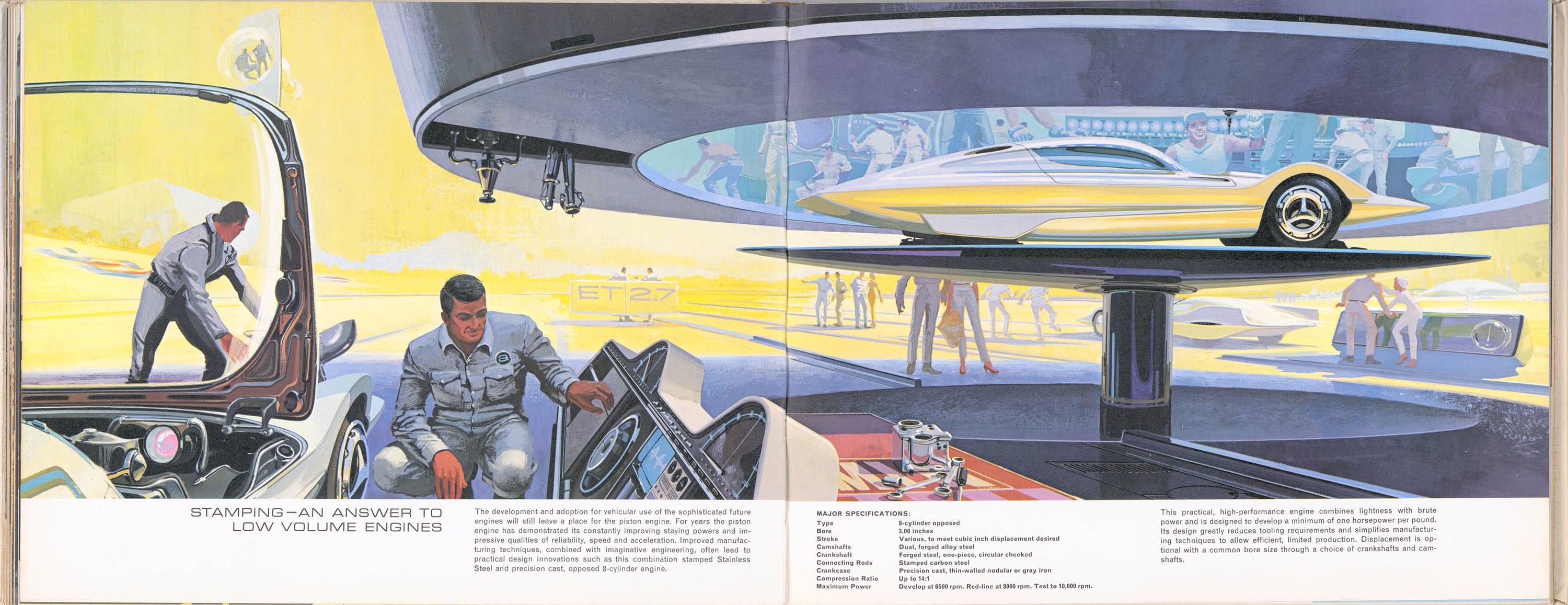
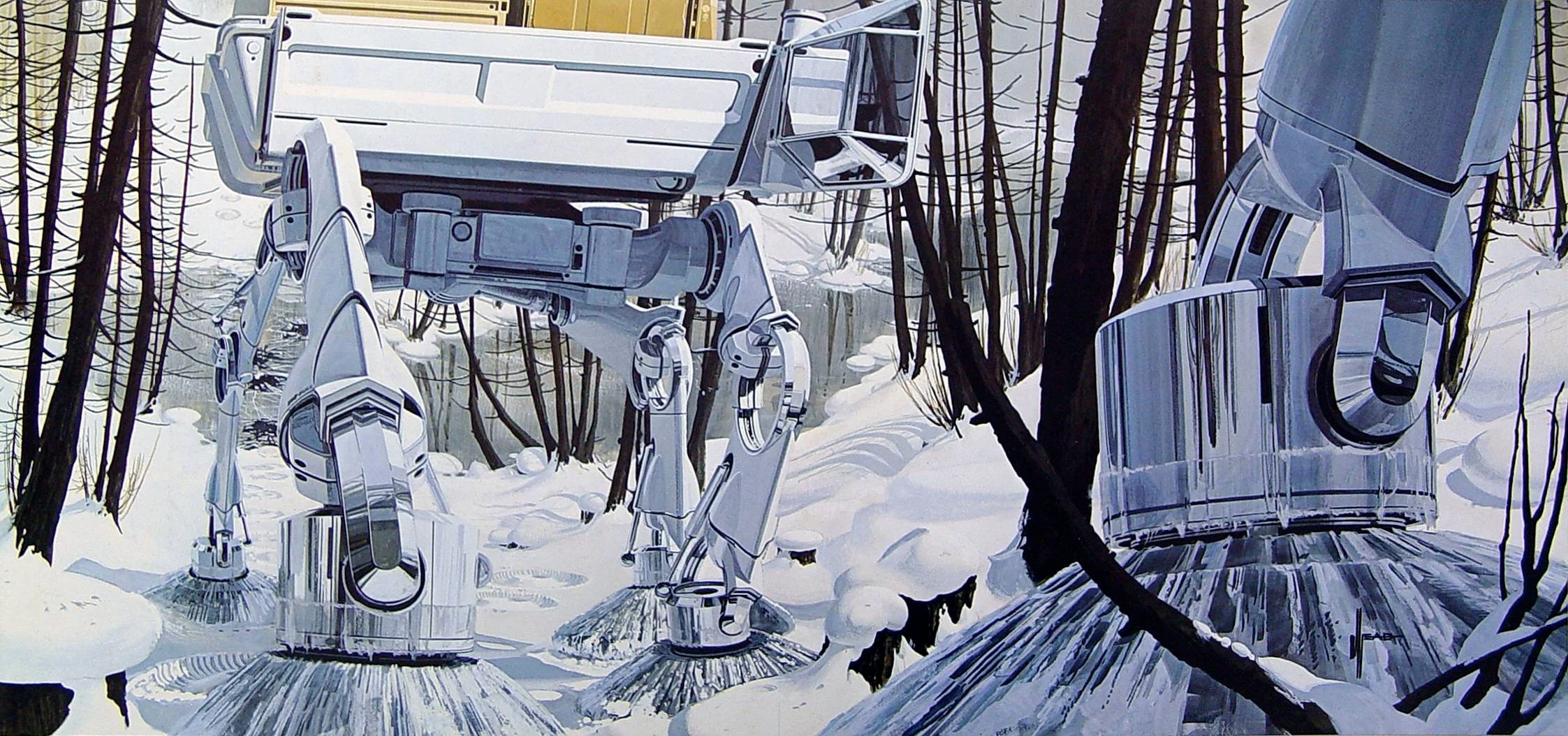
Syd Mead’s journey from Ford styling studio to US Steel futurism to Hollywood
How Cuba cracked the code for Blade Runner’s broken-down aesthetic
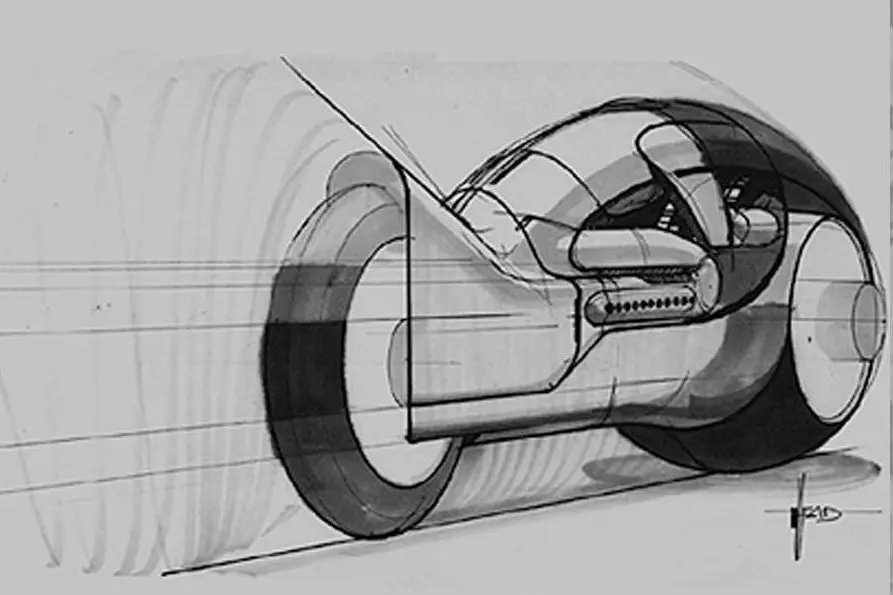
Tron, the light cycle, and visualising digital space
Images from this episode appear below.