
Object is a podcast diving into the histories and meanings behind the art, images, and cultural objects we encounter every day. Hosted by Ferren Gipson, this show explores visual and material culture, offering a lens on how images and objects help shape the way we see and experience the world. Listen on Apple, Spotify or Substack.
What does it mean to make Black futures visible? In this episode, I speak to writer and Afrofuturist Ytasha Womack and professor of African-American studies Reynaldo Anderson about the visual culture of Afrofuturism. From contemporary art to psychedelic funk album covers, we trace a tradition that insists on showing what Black life looks like across all of time and space.
The ‘Imagined Futures’ miniseries is brought to you in partnership with The Public Domain Review, an online journal exploring curious and compelling works from the history of art, literature, and ideas. Discover images related to imagined futures, forgotten pasts, and more at publicdomainreview.org.
In this episode:
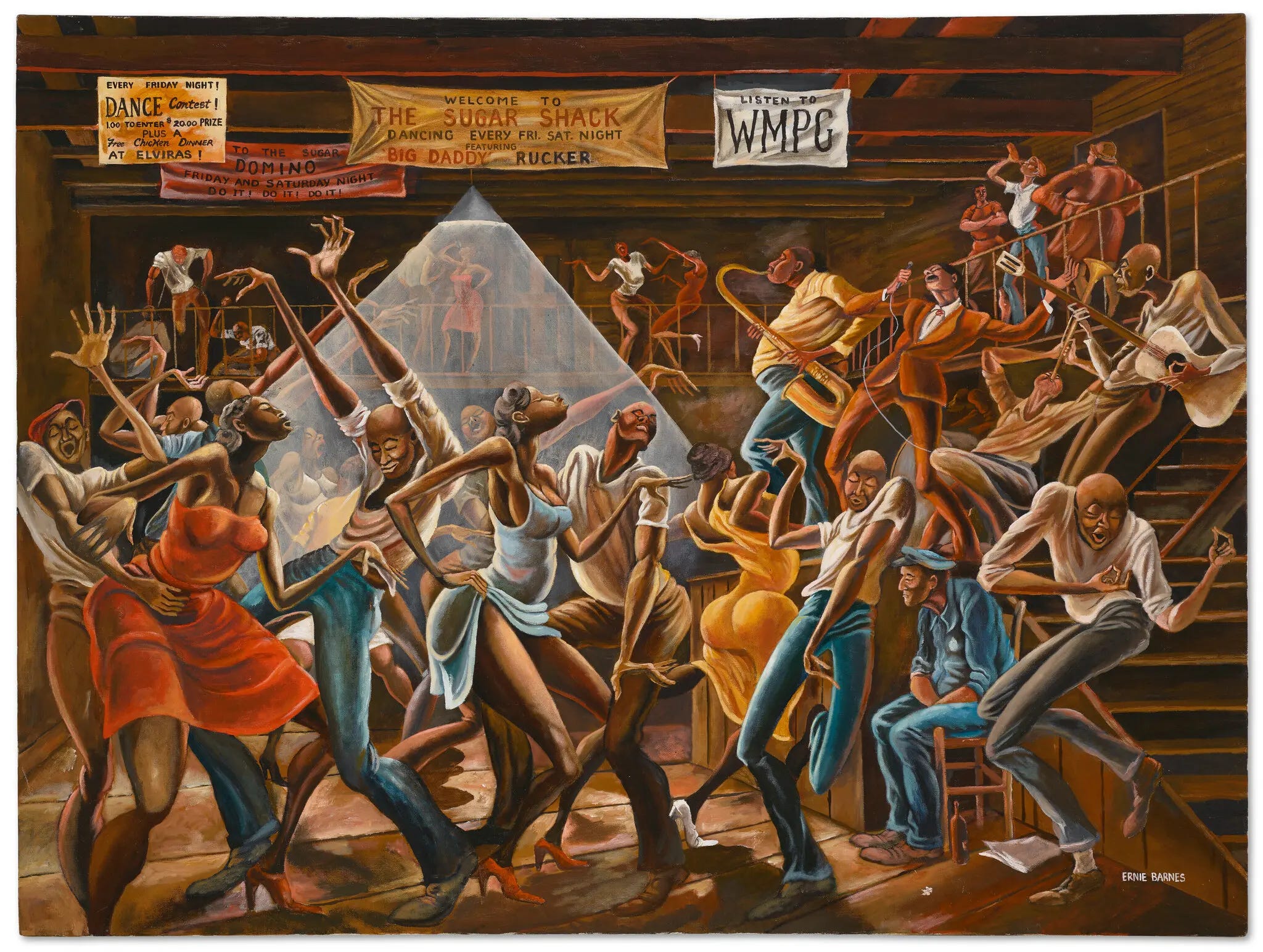
Ryan Coogler’s Sinners and its visual connection to Ernie Barnes’s The Sugar Shack
The origins of the term Afrofuturism
W.E.B. Du Bois’s hand-drawn infographics at the 1900 Paris Exposition (see the full collection on The Public Domain Review here), and his short story “The Princess of Steel”
Cyclical time, the ancestral plane, and Afrofuturist approaches to past and future
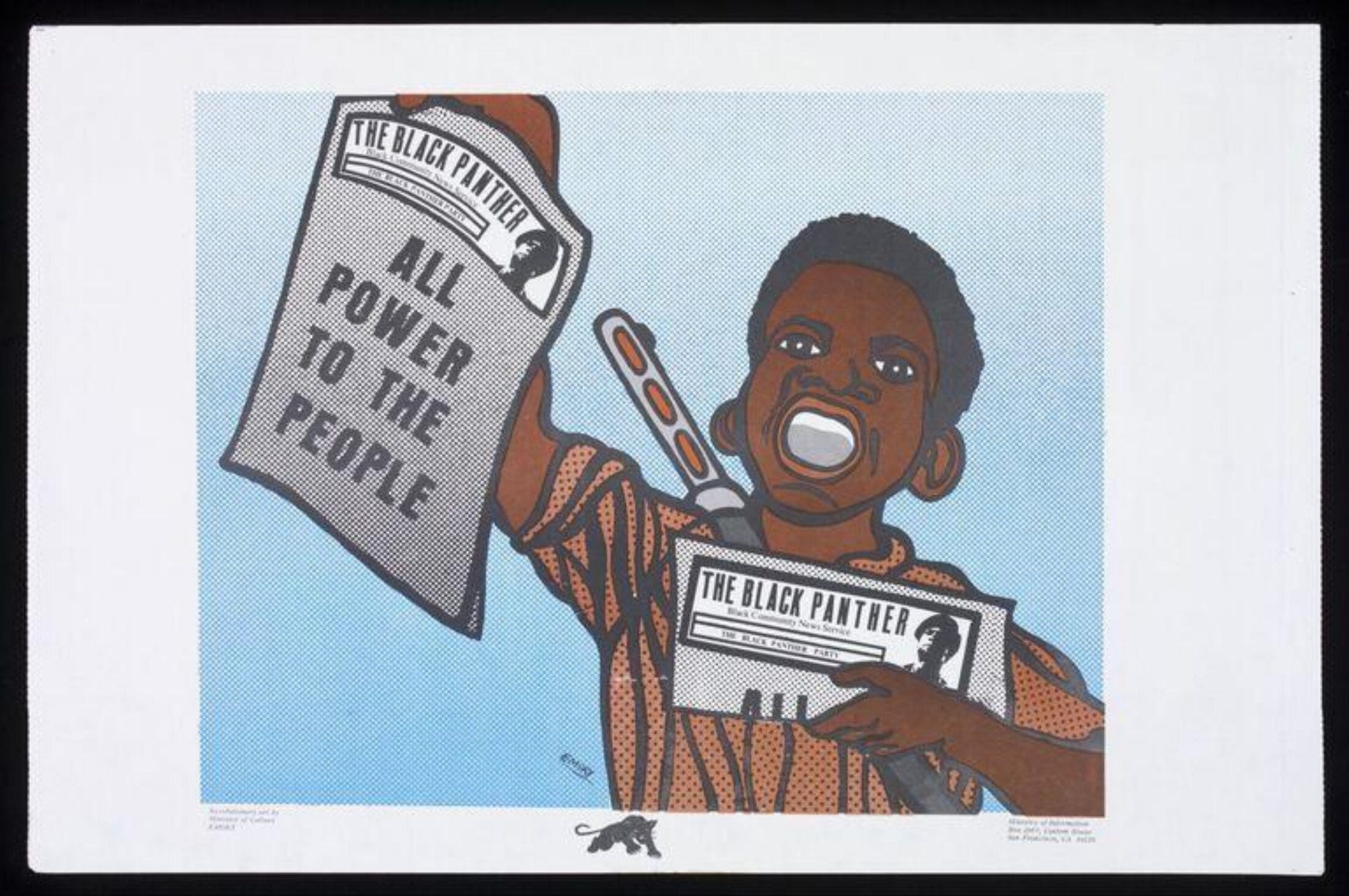
Black Panther: from the 1966 comic to Ryan Coogler’s Oscar-winning films
Hannah Beachler’s production design and the Met’s Afrofuturist period room, Before Yesterday We Could Fly
Sun Ra, Parliament-Funkadelic, and claiming space as home
Pedro Bell’s album cover art for Funkadelic and George Clinton
Drexciya’s underwater mythology and Ellen Gallagher’s Watery Ecstatic series
Nolan Oswald Dennis and Lina Iris Viktor exploring space cosmologies in contemporary art
Images from this episode appear below.